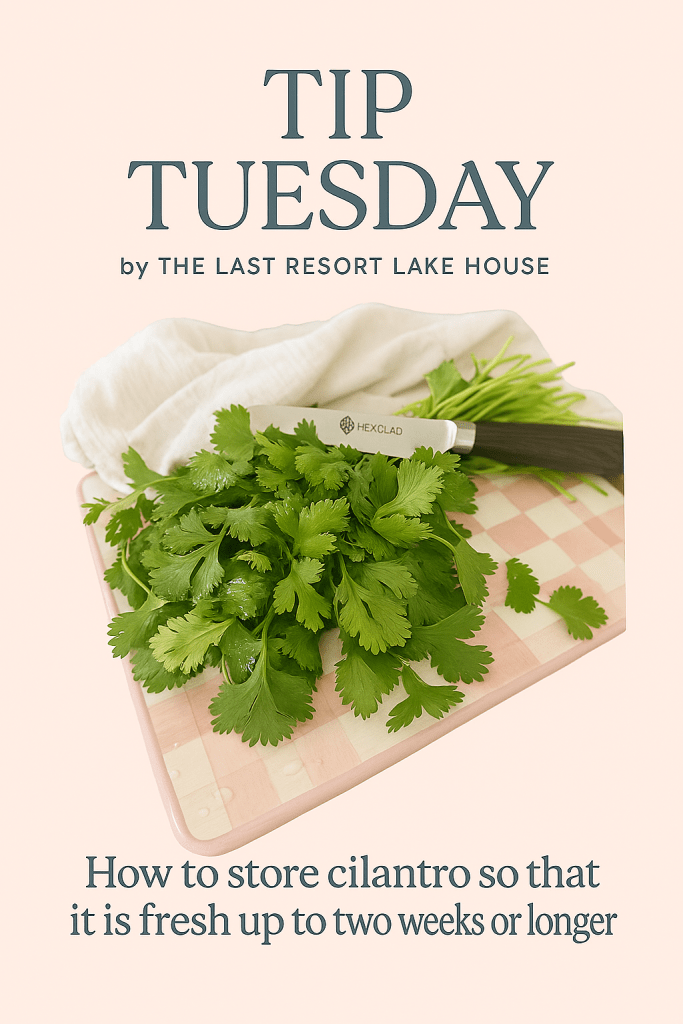
Let’s Talk Cilantro:
Listen. We need to talk about cilantro. And not just a little “sprinkle it on your tacos” convo—I mean a full-blown, deep-dive, possibly controversial, very sassy exposé on the leafy green that has launched heated debates at dinner tables everywhere. Cilantro isn’t just a garnish—it’s a lifestyle. Or at least a very opinionated leafy green.
So buckle up, herb lovers (and haters), because we’re diving into the ins, outs, highs, lows, and what the actual heck moments of the most dramatic herb in your produce drawer: CILANTRO.
What Is Cilantro, Really?
Let’s start with the basics. Cilantro is the leafy part of the coriander plant. Yes, you read that right. Cilantro and coriander are two parts of the same plant—but we’ll get into that spicy little identity crisis in a minute.
Cilantro = leaves and stems.
Coriander = dried seeds from the same plant.
It’s like the herb version of Clark Kent and Superman. Same origin, wildly different vibes.
The Cilantro-Coriander Confusion (Because Of Course It’s Complicated)
Depending on where you live, the word “cilantro” might mean something completely different. In the U.S., cilantro refers to the fresh green stuff, and coriander is the seed. But in many other parts of the world, like the U.K., coriander means the entire plant, leaves and all. Confused? Join the club. It’s like herb jet lag.
So if you’re traveling and trying to order a taco topped with cilantro, just be prepared for a possible coriander curveball. And maybe pack a tiny bottle in your purse, just to be safe. (No judgment.)
Why Do Some People Think It Tastes Like Soap?
Ah yes, the Great Cilantro Divide. You’re either a cilantro ride-or-die… or you’re convinced it was grown in the back of a dish soap factory. There is no in-between.
And here’s the wild part: it’s not just picky taste buds—it’s genetic.
If cilantro tastes like Palmolive to you, you may have a variation in the OR6A2 gene. This gene makes you sensitive to aldehydes, a compound found in both cilantro and—you guessed it—soap.
So, to all the cilantro haters out there: we hear you. It’s not your fault. Your DNA just has zero chill when it comes to this herb.
Flavor Profile: Bright, Bold, and Not Even a Little Subtle
Cilantro doesn’t do “low key.” It bursts into your mouth like it just walked into a party wearing sequins at noon. It’s citrusy, slightly peppery, and has a pungent flavor that either makes a dish taste elevated and fresh—or makes you want to scrub your tongue with a paper towel.
It pairs beautifully with lime, garlic, chili peppers, onions, and avocados. (Hello, guacamole. We love you.)
You’ll find it in cuisines from all over the world—Mexican, Indian, Thai, Vietnamese, Moroccan. Cilantro is basically the extrovert of the herb garden: a little loud, very enthusiastic, and definitely always invited to the flavor party.
How to Pick the Best Cilantro (Because Nobody Wants Sad Herbs)
If your cilantro looks like it’s been ghosted by the produce gods, it’s not going to taste like much either. Here’s what to look for:
Color: Bright green leaves, no yellowing or black spots. Texture: Perky and crisp—not limp, wilted, or sad-looking. Smell: If it doesn’t hit you in the face with freshness, leave it behind.
Pro tip: Give it a little sniff test in the store. If it smells like a bouquet of lime-zesty green heaven, it’s a keeper.
How to Store Cilantro (And Keep It Alive Longer Than a Day)
Cilantro is dramatic and high-maintenance. You leave it in the fridge for 12 hours, and suddenly it’s more wilted than your high school prom photos.
But here’s a trick that’ll change your life: store it like a bouquet.
Trim the ends of the stems. Place them in a glass of water (just like fresh flowers). Cover the leaves loosely with a plastic bag. Keep it in the fridge and change the water every 2-3 days.
Boom. Cilantro that lasts for two whole weeks instead of rotting in shame by day two.
Or—wait for it—you can also chop it up, toss it in olive oil, and freeze it in an ice cube tray for easy “grab-and-go flavor bombs.”
Cilantro’s Best Friends: What to Pair It With
Cilantro doesn’t like being ignored. It wants to be front and center. But it plays well with others when the vibe is right.
Here are a few of its best foodie friendships:
Lime – They go together like chips and salsa. (Literally.) Avocado – Makes guac taste alive. Cumin + Chili Powder – Your taco seasoning just got a glow-up. Garlic + Onion – For bold bases in almost every cuisine. Coconut Milk – Add cilantro and BOOM: Thai-inspired magic.
Basically, cilantro is the main character in any dish that wants to feel fresh, spicy, and a little tropical.
When to Add Cilantro in Cooking (Timing Is Everything)
Repeat after me: Cilantro does not want to be cooked to death.
If you add it too early, it turns bitter and loses all its zesty charm. Treat it like a diva and let it make its grand entrance at the end.
Here’s the move:
Add chopped cilantro right before serving. Or toss it in at the last minute to finish a dish. Sprinkle it raw on top for a hit of freshness.
Hot tip: The stems have tons of flavor, too. Chop them fine and use them in marinades or sauces. Don’t be wasteful—those stems are gold.
What About Cilantro Alternatives?
If you fall into the “this tastes like bath soap” camp or just ran out mid-recipe, here are a few swap-outs that won’t start a kitchen riot:
Flat-leaf parsley – Similar texture, way milder flavor. Thai basil – For Asian dishes with a twist. Mint – Works in salads and chutneys. Celery leaves – For a green bite without the drama. Dill – NOT the same vibe, but it’ll hold the fort in creamy dressings or seafood dishes.
But let’s be real: nothing truly replaces cilantro. These are understudies. The main star is still out there.
Cilantro in Culture: A Global Herb with Passport Stamps
Cilantro isn’t just for Tex-Mex Tuesdays.
In Mexico, it’s in everything from tacos to pozole to salsa verde. In India, you’ll find it in chutneys, curries, and raita. In Thailand, it’s in soups, spring rolls, and larb. In Morocco, it’s paired with cumin and lemon in tagines. In Vietnam, it gets tossed into fresh rolls and pho like confetti.
It’s the herb version of a world traveler with no checked baggage and a very bold carry-on.
Grow It Yourself (Even If You Have a Black Thumb)
Yes, cilantro can be grown at home. And no, it’s not that hard.
Use a pot with good drainage Give it lots of sun, but not too hot Keep the soil moist but not swampy Harvest often—because if it bolts (goes to seed), the party’s over.
Bonus: It grows fast. Like, “oh hey, I planted this last week and now I’m basically a farmer” fast.
Let’s Wrap This Up (Like a Taco)
Whether you’re a cilantro superfan or a sworn hater, there’s no denying this herb brings the DRAMA. And we love her for it.
She’s bold, she’s bossy, and she absolutely does not care if your genes can’t handle her zest.
So the next time you reach for that bunch of leafy green chaos in your fridge, remember: cilantro isn’t here to play it safe. She’s here to turn your salsa into a statement and your curry into an experience.
Now go forth, chop boldly, and don’t forget to smell your herbs first.
Drop a “CILANTRO QUEEN” in the comments if you made it all the way to the end. And if you’re still not a fan… we still love you (but we’re not sharing our guac).

Leave a comment